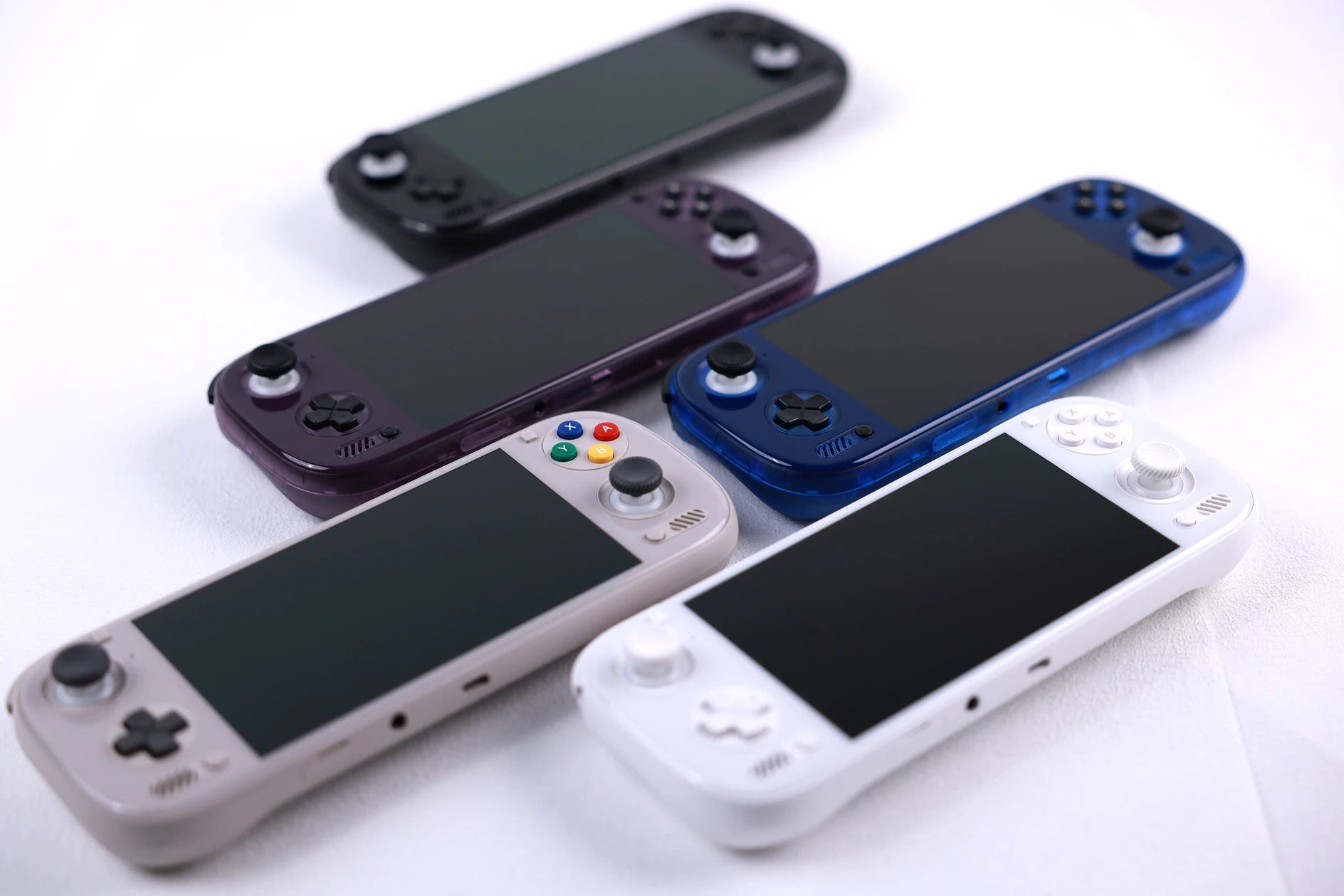
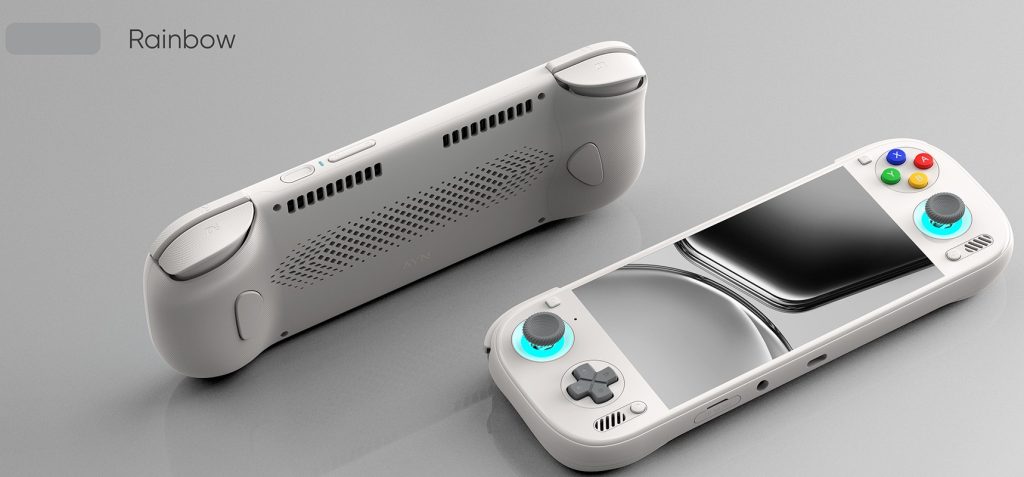
In the 2026 handheld gaming market, the AYN Odin 3 series has set a new gold standard for high-end Android devices. Following the monumental success of its predecessors, AYN has released its two most powerful variants: the Odin 3 Pro and the Odin 3 Max.
According to the experts at Retro Gamebit, choosing between the Pro and the Max isn’t just a matter of budget—it’s a calculated decision between meeting practical needs and the desire to own a “limitless” machine. Here is a detailed 1500-word comparison to help you make the right choice.
1. Technical Specifications: The Gap Between “Powerful” and “Extreme”
Both the Pro and Max versions share the same heart: the Qualcomm Dragonwing Q8 chipset—a 4nm processor optimized specifically for handheld gaming, capable of maintaining high clock speeds without thermal throttling. However, the divergence begins with multitasking and storage capacity.
RAM and Multitasking
- Odin 3 Pro: Equipped with 12GB of LPDDR5X RAM. This is more than enough to smoothly run every current emulator, from Switch and Windows environments to the most demanding native Android titles.
- Odin 3 Max: Pushes the boundary to 16GB or even 24GB of RAM in specialized configurations.
Retro Gamebit Analysis: While 12GB is plenty for 90% of users, the 16GB-24GB on the Max truly shines when using 4K Texture Replacement packs in emulators or running Windows emulation layers (like Mobox or Winlator) to play older PC titles.
Internal Storage
- Pro: Typically starts at 256GB/512GB UFS 4.0.
- Max: Defaults at 512GB and scales up to 1TB or 2TB.
The UFS 4.0 speeds on both models are blazingly fast, ensuring that load times for massive games like Genshin Impact or Zelda: Tears of the Kingdom are measured in mere seconds.
2. Display: Premium Consistency
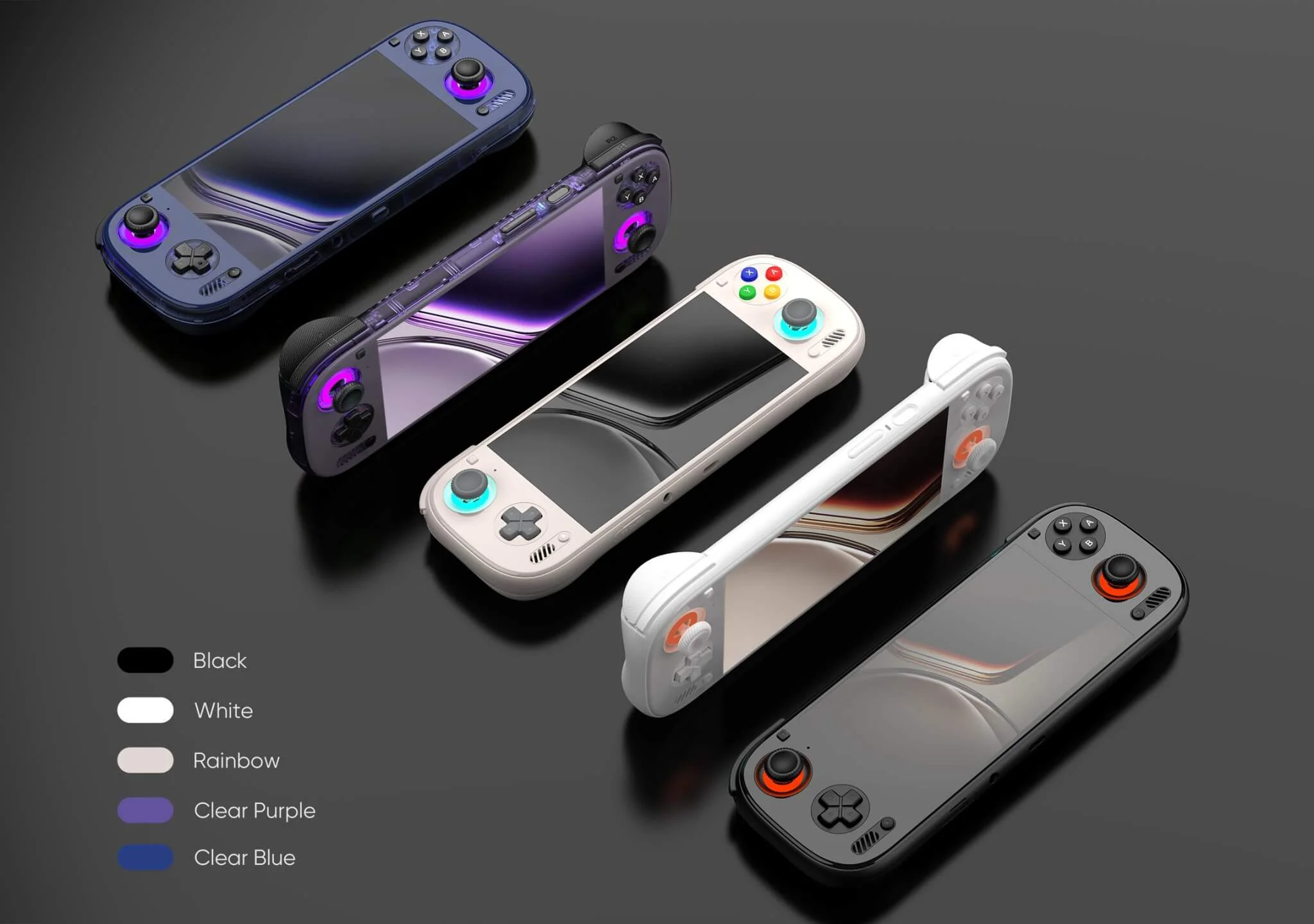
A major point of praise for AYN is that they did not compromise on display quality for the “lower” tier. Both the Pro and Max feature the same stunning 6.2-inch AMOLED 120Hz screen.
Visual Quality: With 100% DCI-P3 color gamut coverage and a peak brightness of 800 nits, the visual experience is identical. The infinite contrast of the AMOLED makes horror games or space-themed titles look breathtaking.
Refresh Rate: The 120Hz rate provides superior fluidness when navigating menus or playing Android games that support high frame rates.
3. Real-World Emulation Performance: The Deciding Factor
This is the part users care about most. Does the Max actually provide higher FPS than the Pro?
PS2, GameCube, and PSP Emulation
On these systems, the difference between the Pro and the Max is virtually zero. Both can easily handle 4x or 5x upscaling at a rock-solid 60 FPS. The Dragonwing Q8 is so powerful for these consoles that the extra RAM in the Max remains largely unutilized.
Nintendo Switch Emulation
Here, slight differences begin to emerge:
- Odin 3 Pro: Runs 95% of the library flawlessly. Some extremely heavy titles might experience “memory leaks” after 2-3 hours of continuous play.
- Odin 3 Max: With 16GB-24GB of RAM, memory-related crashes are almost non-existent. You can also run graphical mods and 60FPS patches for Switch titles with much higher stability.
PC Emulation (Windows on Android)
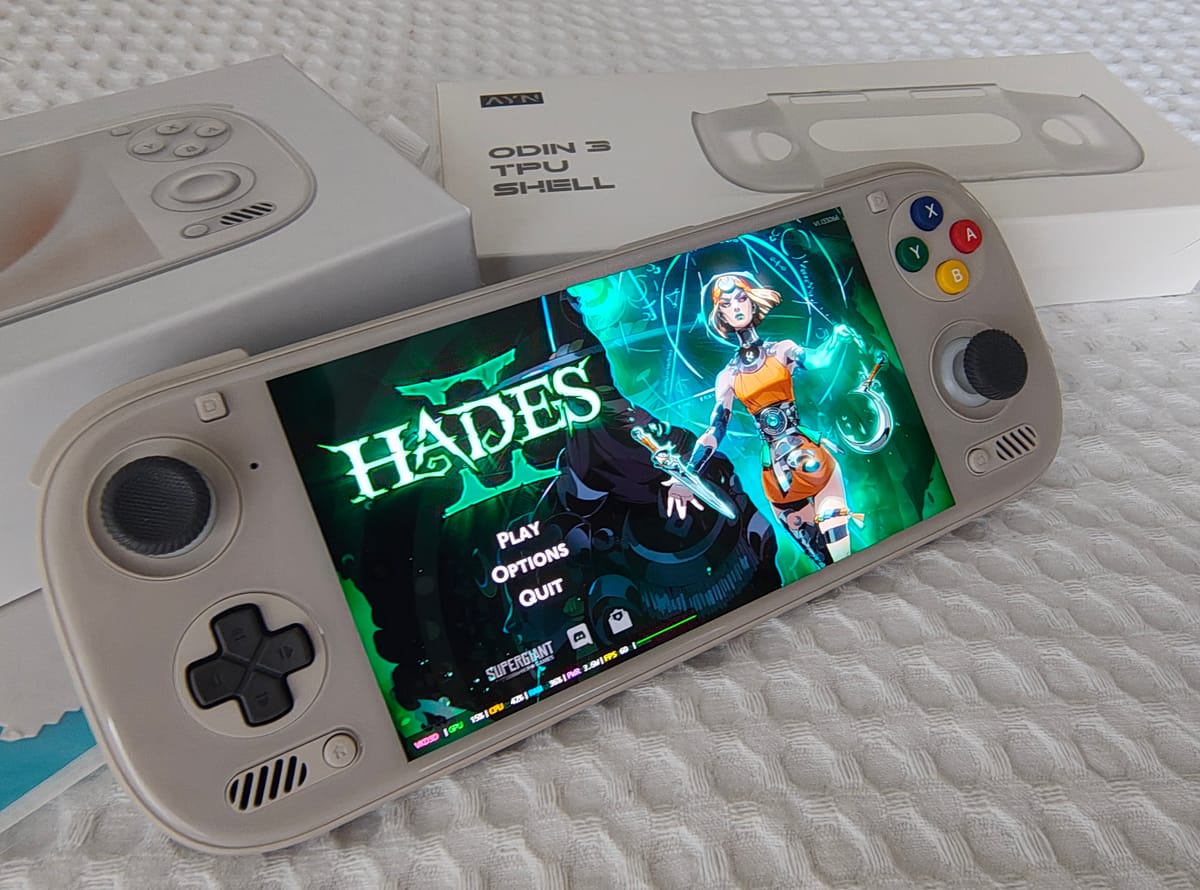
This is the “home turf” for the Max version. Emulating a Windows environment is incredibly RAM-intensive. The Odin 3 Max allows for smoother gameplay in PC titles like Fallout 4 or The Witcher 3 (at low settings) with significantly fewer application crashes compared to the Pro. If your goal is to use the Odin 3 as a portable PC gaming machine, the Max is a mandatory choice.
4. Design and Thermal Management
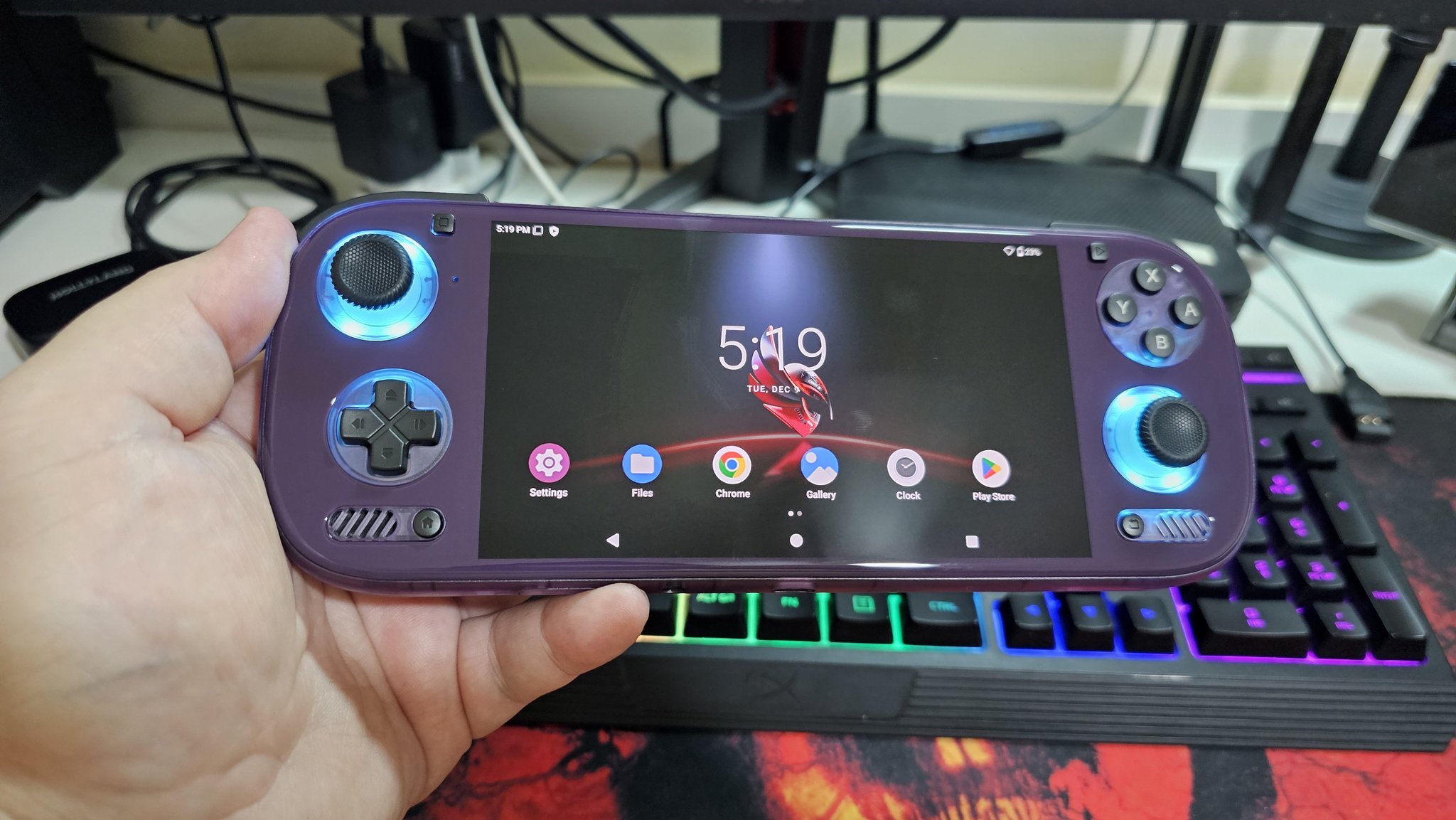
Aesthetically, the two versions are nearly indistinguishable from the outside. They share the same ergonomic design language and signature RGB LED lighting.
- Weight: The Max is roughly 15-20g heavier than the Pro, likely due to a beefier copper cooling assembly and a slightly larger battery to support the high-performance components.
- Cooling: Both use active cooling (fans). However, on the Max, AYN has tuned the fan curves to reach higher RPMs in “Overclock” mode, helping maintain peak performance during RAM-heavy tasks.
5. Battery Life and Charging
- Odin 3 Pro: Features an 8,000mAh battery. Standard emulation playtime ranges from 7 to 9 hours.
- Odin 3 Max: Usually equipped with an 8,500mAh or 9,000mAh battery. However, because it powers more RAM and higher-performing components, the actual battery life is only about 30–45 minutes longer than the Pro.
Both support 65W Fast Charging, allowing you to go from 0% to 70% in less than an hour.
6. Investment Value: The Economic Equation
According to the rankings at Retro Gamebit, the Odin 3 Pro sits at a “sweet spot” price (around $399), while the Max can climb to $549 or higher.
- Odin 3 Pro (P/P King): Suitable for the vast majority of gamers. If your primary use case is Android gaming, Switch, PS2, and general retro emulation, the Pro offers incredible value for every dollar spent.
- Odin 3 Max (Enthusiast Choice): For the power user. If you love tinkering with Windows emulation, want to store a massive 1TB+ library internally, and want a device that will never face a “RAM bottleneck” for the next 4–5 years, the Max is a worthy investment.
Summary: Advice from Retro Gamebit
To make your final decision, ask yourself: “What will I actually do with this machine?”
- Choose the AYN Odin 3 Pro if: You want a powerful gaming machine with a beautiful screen and long battery life, and prefer to use the saved money to buy a high-quality 1TB MicroSD card. The Pro is already more than enough to crush every mobile gaming boundary.
- Choose the AYN Odin 3 Max if: You are a game collector or a tech enthusiast who wants to experiment with the absolute limits of the hardware (like PC gaming on an Android handheld) and want a device that never has to say “no” to any task for years to come.
In 2026, whether you choose the Pro or the Max, you are owning one of the peaks of handheld technology. The AYN Odin 3 isn’t just a gaming device; it’s a testament that Android handhelds have truly matured into a platform that can challenge any other.