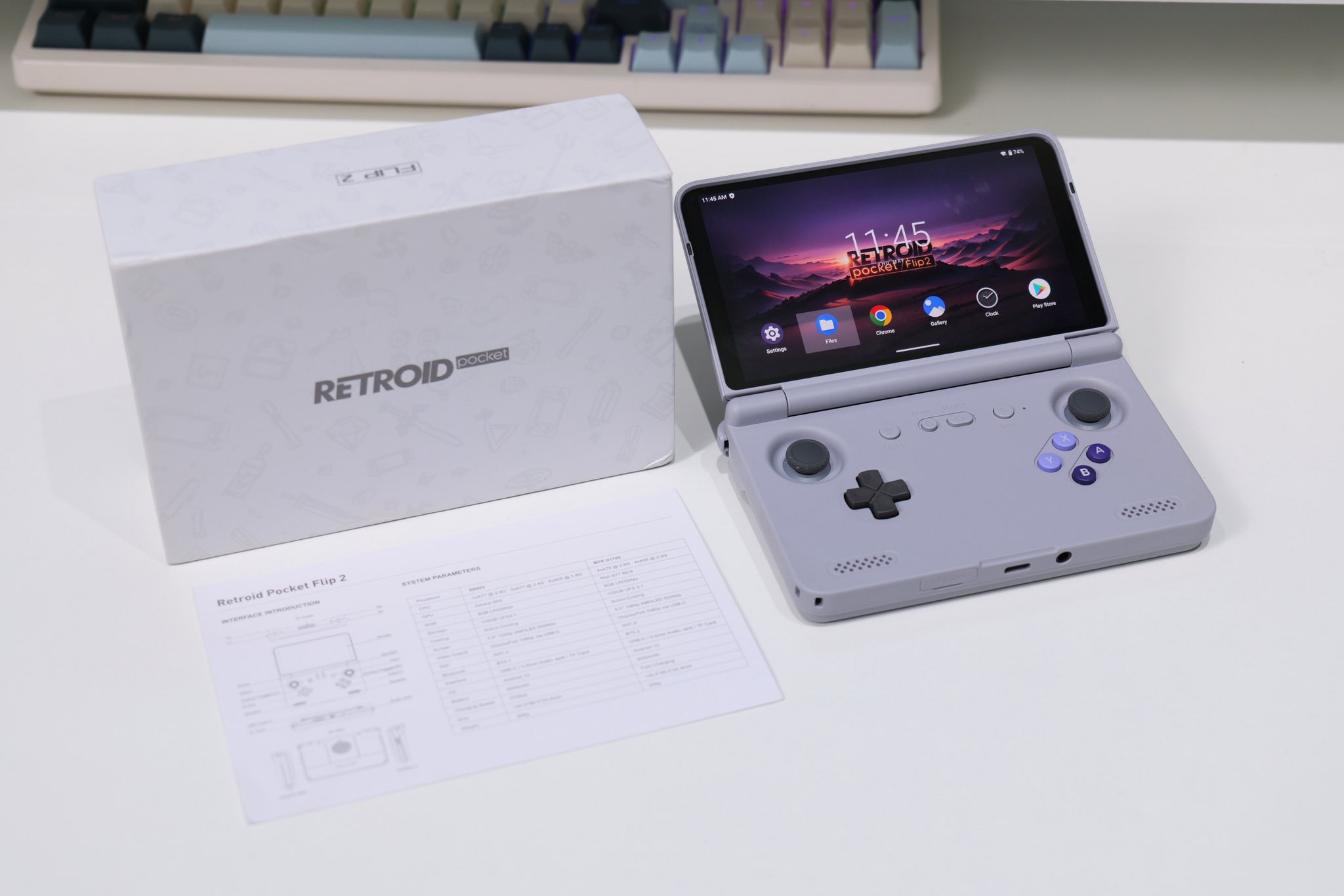
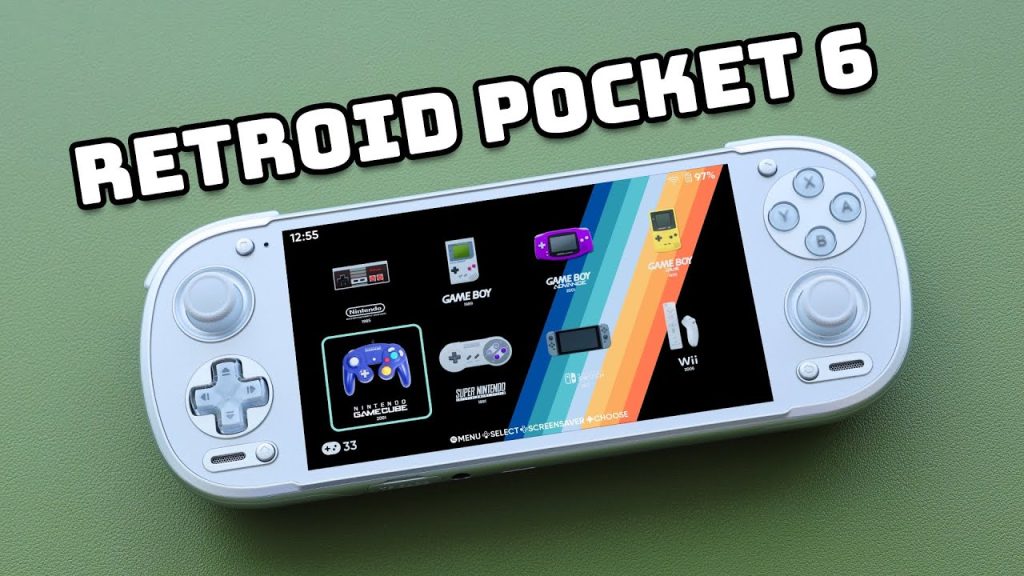
In the rapidly evolving world of Android handheld consoles, Retroid has carved out a reputation for delivering incredible performance at a price point that makes giants like Valve and ASUS take notice. With the latest lineup hitting the market, gamers face a difficult choice: Should you go for the raw Power of the Retroid Pocket 6 (RP6), the incredible Value of the Retroid Pocket 5 (RP5), or the unmatched Portability of the Flip 2?
This comprehensive guide breaks down the specs, ergonomics, and use cases to help you decide which device deserves a spot in your pocket.
Retroid Pocket 6 (RP6): The Performance Juggernaut
The Retroid Pocket 6 is designed for the enthusiast who refuses to compromise. While previous generations flirted with high-end emulation, the RP6 is the first in the family to truly conquer it.
High-End Internal Hardware
The RP6 features a flagship-tier chipset that moves beyond just “handling” PS2 and GameCube. It masters them. With enhanced RAM overhead and a significantly more powerful GPU, this device is capable of playing a wide library of Nintendo Switch titles and taxing Windows-based games via translation layers like Winlator.
Advanced Thermal Management
Power generates heat, and the RP6 addresses this with a redesigned active cooling system. The internal fan is quieter yet moves more air, ensuring that your frame rates stay stable during intense 3-hour sessions of God of War or Burnout Dominator.
Who is it for? The “Hardcore Emulationist.” If you want to upscale your favorite 6th-generation consoles to 3x resolution and demand a lag-free Android gaming experience, the RP6 is your only choice.
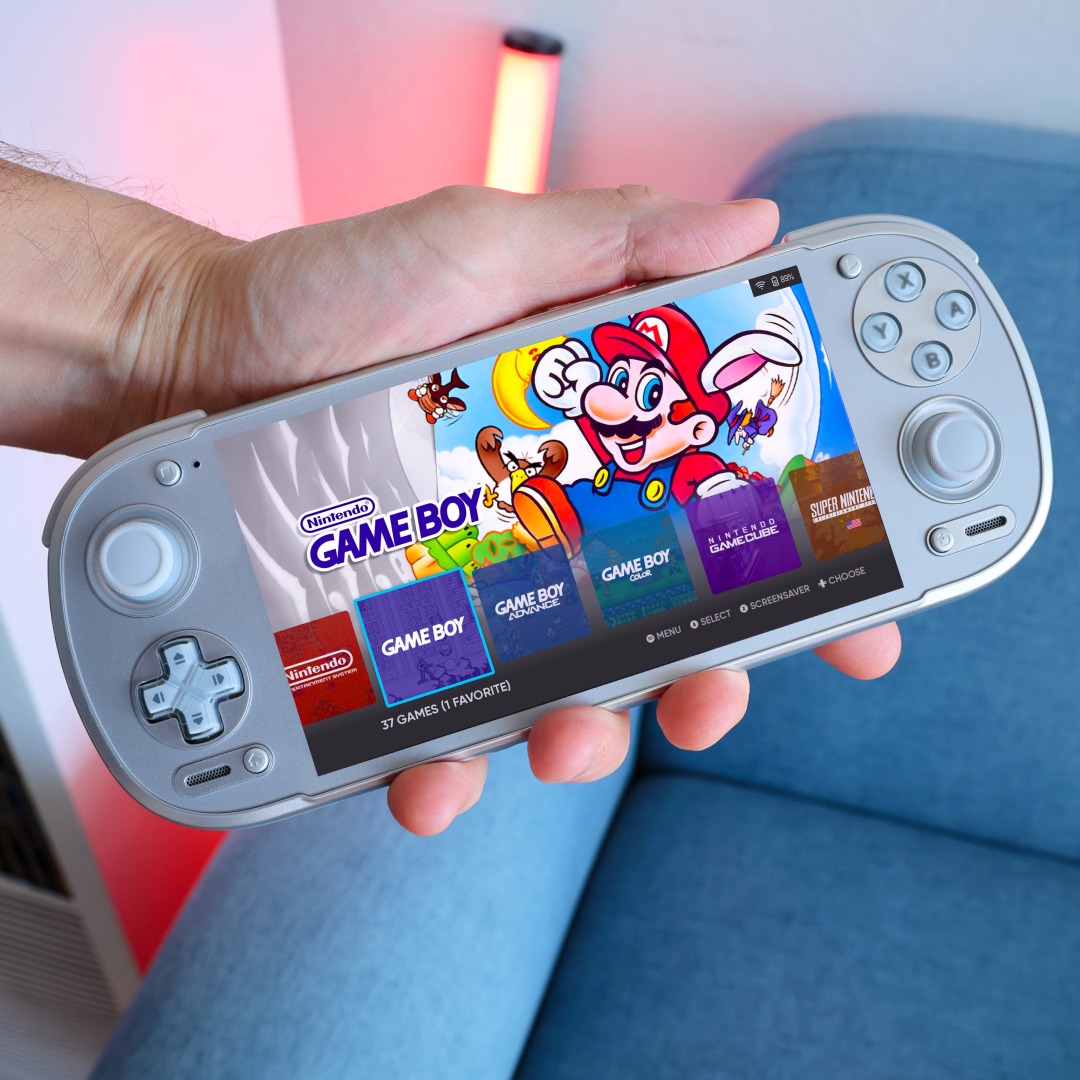
Retroid Pocket 5 (RP5): The “Goldilocks” of Handhelds
If the RP6 is the powerhouse, the Retroid Pocket 5 is the refined all-rounder. It strikes the perfect balance between price, aesthetics, and performance, making it the most popular choice for the average gamer.
The OLED Revolution
The standout feature of the RP5 is its stunning OLED display. Unlike traditional LCDs, the OLED panel provides infinite contrast ratios and vibrant colors. For retro games—especially those from the SNES or Neo Geo era—the colors pop in a way that makes old titles feel brand new.
Premium Ergonomics
Retroid took user feedback to heart with the RP5, introducing a more curved, ergonomic shell. The addition of Hall Effect joysticks (which use magnets to prevent “stick drift”) ensures that the device remains durable for years. It feels premium in the hand, bridging the gap between a “toy” and a professional gaming machine.
Who is it for? The “Sensible Gamer.” If you want the best visual experience possible and don’t necessarily need to play the most demanding Switch titles, the RP5 offers the best “bang for your buck.”
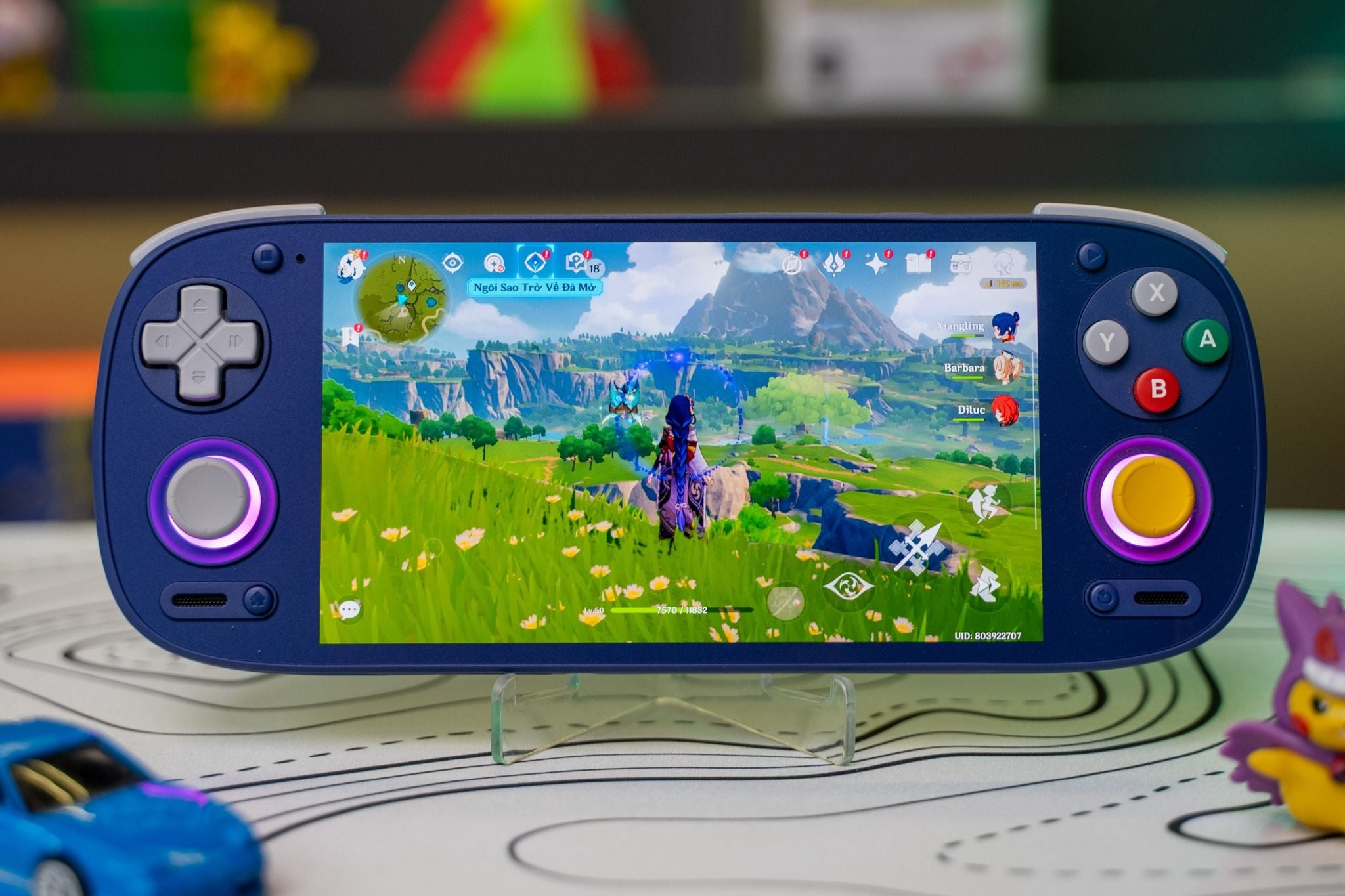
Retroid Pocket Flip 2: The King of Everyday Carry (EDC)
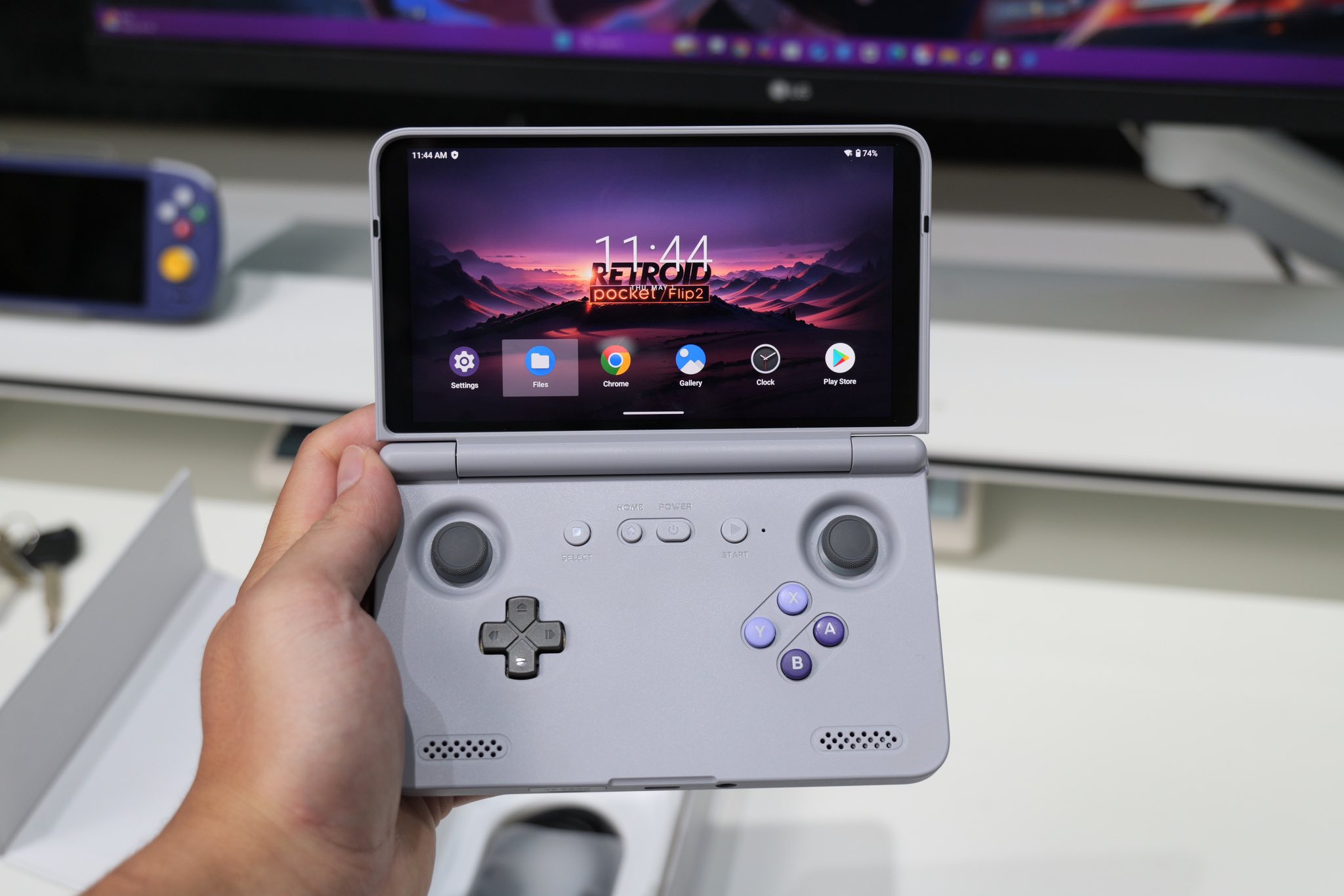
The original Flip had a cult following, and the Retroid Pocket Flip 2 perfects the clamshell formula. In a market dominated by “slab” designs, the Flip 2 offers something unique: ultimate screen protection and a compact footprint.
The Clamshell Advantage
The most significant benefit of the Flip 2 is its design. When closed, the screen and buttons are completely shielded. You can toss it into a backpack or a crowded pocket without worrying about scratches or snagging a joystick.
Modernized Controls
The Flip 2 replaces the sliders of the original with recessed Hall Effect sticks, providing a much better range of motion for 3D games. Despite its small size, it doesn’t sacrifice performance, sharing a similar internal architecture to the RP5, which allows it to handle most of the PS2 library with ease.
Who is it for? The “Commuter.” If you play games on the bus, in waiting rooms, or during travel, the Flip 2’s portability and protective design make it the ultimate travel companion.
Head-to-Head Comparison: Which Specs Matter?
| Feature | Retroid Pocket 6 (RP6) | Retroid Pocket 5 (RP5) | Retroid Pocket Flip 2 |
| Best For | Maximum Power/Switch | Visuals & Value | Travel & Portability |
| Display Type | High-Res LCD | Premium OLED | Sharp LCD |
| Form Factor | Large/Ergonomic | Medium/Sleek | Clamshell/Foldable |
| Joysticks | Hall Effect | Hall Effect | Recessed Hall Effect |
| Cooling | Active (Max Airflow) | Active (Balanced) | Active (Compact) |
Software and Optimization: Making the Most of Your Retroid
Regardless of which model you choose, the Retroid experience is defined by customization. Since these devices run on Android, you have access to a massive ecosystem of tools:
- Front-ends: Use apps like Daijishō or ES-DE to organize your ROM library into a beautiful, console-like interface.
- Cloud Gaming: Don’t forget that these are excellent remote play devices. Whether it’s Xbox Game Pass, PS Remote Play, or Steam Link, the Wi-Fi 6 chips in these devices ensure low-latency streaming.
- Community Shaders: Utilize RetroArch shaders to mimic the look of old CRT TVs or handheld screens (like the original Game Boy green tint) to enhance the nostalgia.
Final Verdict: Which One Should You Buy?
Choosing the “best” Retroid is subjective, but here is the quick breakdown:
- Buy the Retroid Pocket 6 if you are a power user who wants the highest possible frame rates and the ability to dabble in high-end emulation and modern Android gaming.
- Buy the Retroid Pocket 5 if you value screen quality above all else. The OLED display is a game-changer for media consumption and retro aesthetics.
- Buy the Retroid Pocket Flip 2 if you value your pocket space. It is the most stylish and protected way to carry thousands of games with you everywhere.
Retroid has proven that you don’t need to spend $600 to get a premium gaming experience. Whether you choose Power, Value, or Portability, you’re getting one of the best handhelds of 2026.