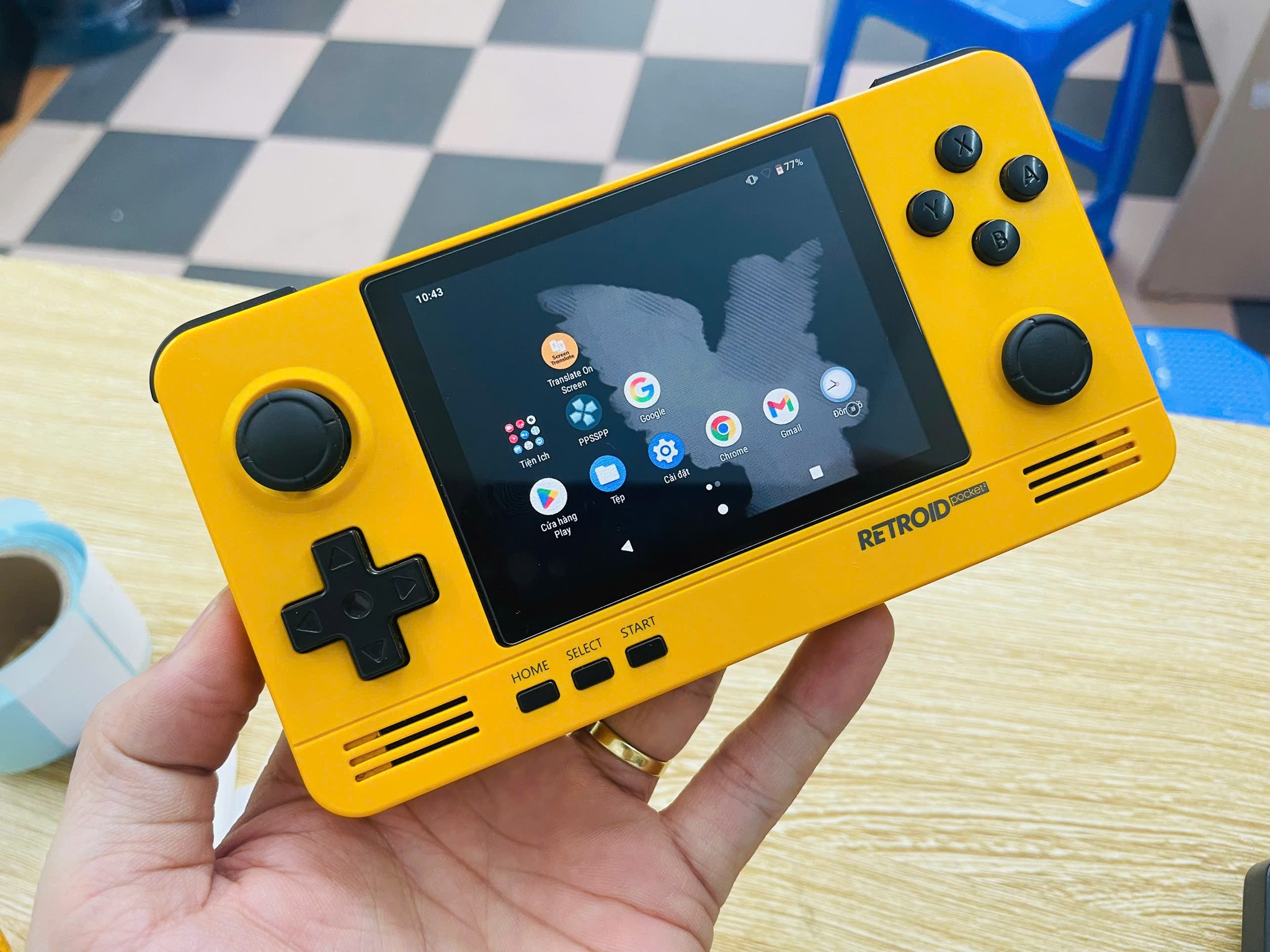

In the handheld gaming landscape, where the market is saturated with structurally similar hardware, the confrontation between the AYN Odin 3 and the Retroid Pocket 6 has drawn a clear line between two segments: Mass-market entertainment devices and Professional gaming instruments.
Chipset Architecture: True Power from the 3nm Process
The core factor driving the performance gap is the processor. The AYN Odin 3 isn’t just more powerful on paper; it is superior in its fundamental architecture.
- AYN Odin 3 (Snapdragon 8 Elite): Utilizing a flagship chipset on a 3nm process delivers unrivaled performance-per-watt. This means that at the same power consumption level, the Odin 3 generates significantly less heat while delivering multiple times the processing speed of the mid-range chips found in the Retroid Pocket 6.
- Translation Layer Processing: This is the dealbreaker. When emulating Windows or Switch titles, the device must “translate” instructions from one architecture to another. With its superior high-performance core count, the Odin 3 performs this process almost instantaneously, eliminating the stuttering issues often seen on the RP6 due to CPU bottlenecks.
The Display Era: Why 120Hz AMOLED is a Game Changer
The screen is more than just a display; it is the interactive interface that defines the player’s emotional engagement.
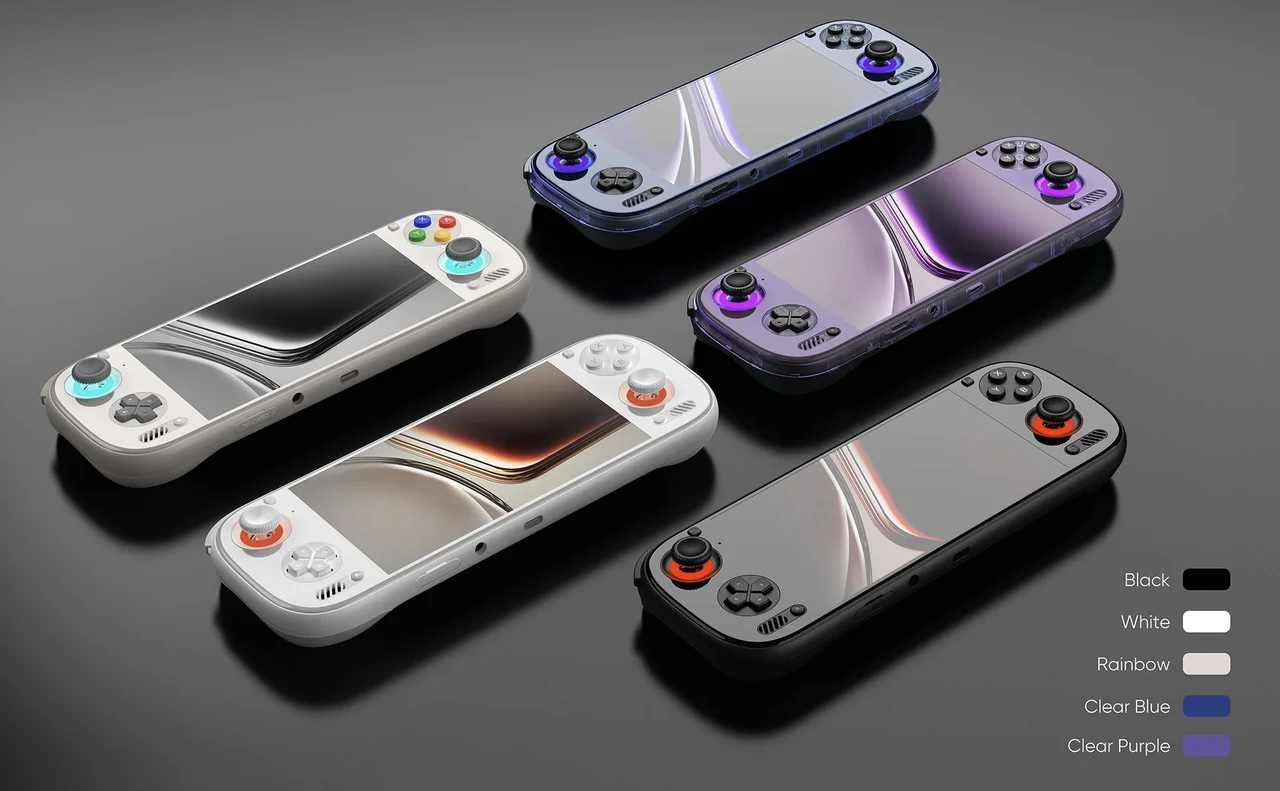
- Response Latency: The AMOLED panel on the Odin 3 features micro-second response times, dozens of times faster than the IPS LCD on the Retroid Pocket 6. In fighting games or shooters, this difference allows for frame-perfect precision.
- DCI-P3 Color Gamut: The Odin 3 supports a wide color gamut, reproducing vibrant shades that traditional LCDs often fail to capture. Combined with an infinite contrast ratio, artistic titles like Hollow Knight or Ori and the Will of the Wisps appear as living paintings.
Thermal Management and Frame Rate Stability
The difference between a good handheld and an excellent one lies in the ability to maintain peak performance over time.
- Vapor Chamber (VC) Cooling: This technology is typically reserved for high-end gaming laptops or expensive gaming phones. The Odin 3 uses liquid within a vapor chamber to conduct heat away from the chip many times faster than air. As a result, the Odin 3’s FPS graph remains a flat line even after two hours of play, while the RP6 often shows “jagged” performance drops as the device begins to throttle.
Power Solutions and “Bypass Charging”
The AYN Odin 3 prioritizes not just battery capacity, but how power is consumed.
- 8000mAh Battery and Charging Efficiency: With a larger capacity, the Odin 3 requires fewer full charge cycles per day, effectively extending the chemical lifespan of the battery.
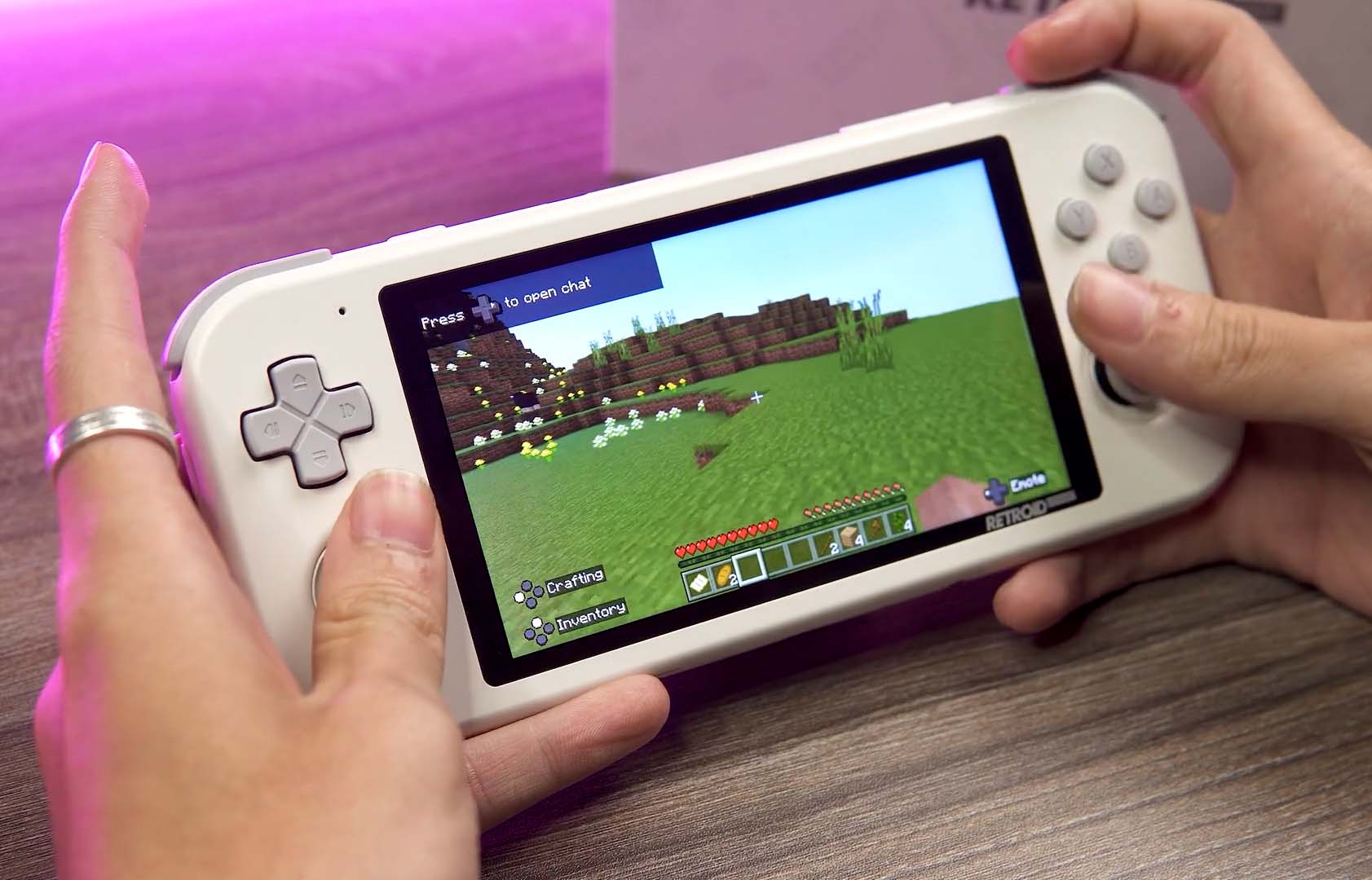
- Bypass Charging: A “secret weapon” for the Odin 3. When activated, power from the adapter fuels the motherboard directly without passing through the battery. This eliminates heat generated by the charging process, keeping the device 3-5°C cooler during gameplay—a vital factor for maintaining peak CPU/GPU clock speeds.
OS and Software Optimization (AYN OS)
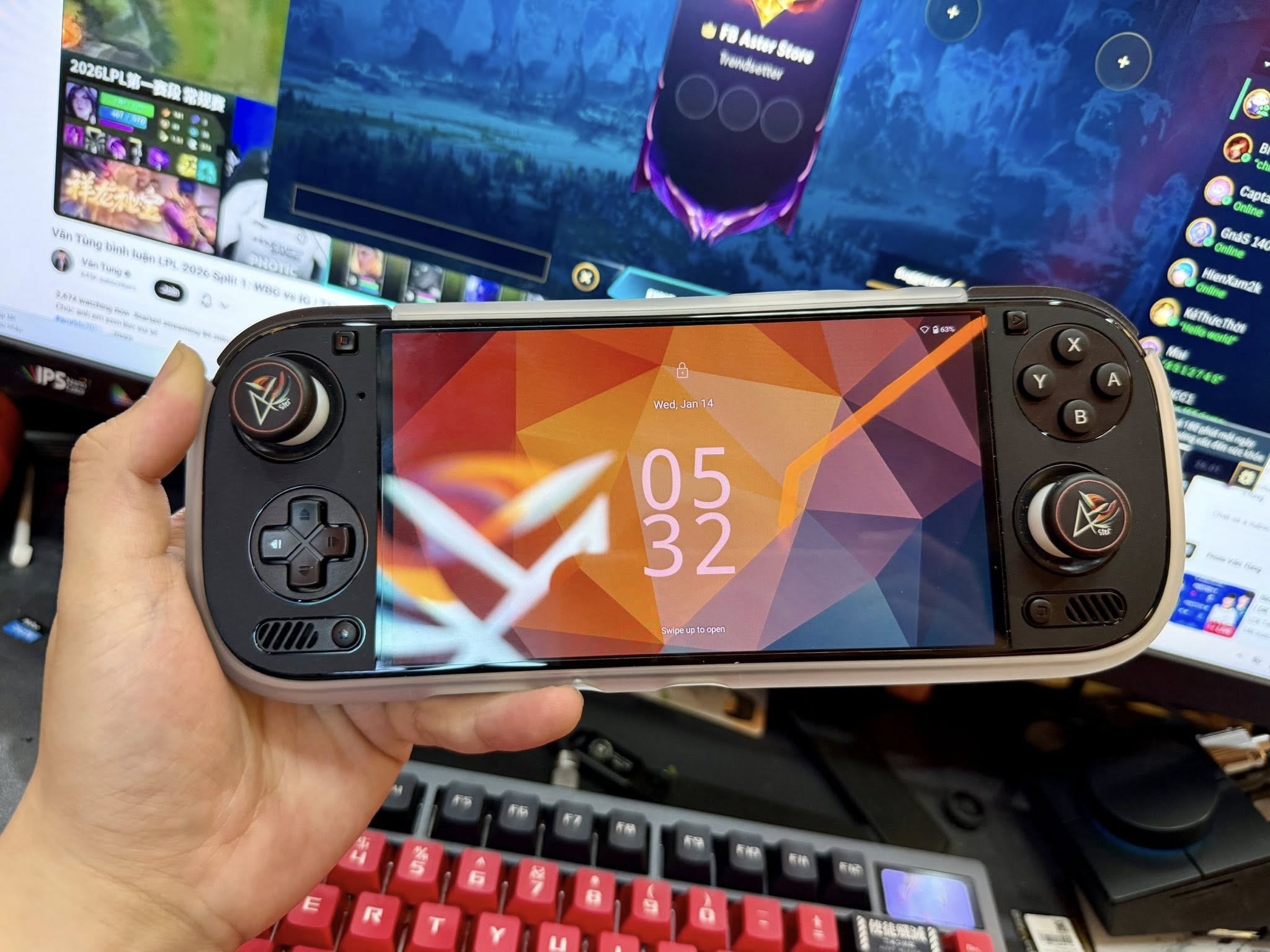
- AYN OS: AYN has developed a deeply optimized interface layer, allowing users to customize TDP (Thermal Design Power) and fan speeds on a per-game basis. You can overclock for Switch emulation or downclock to save battery for lighter titles.
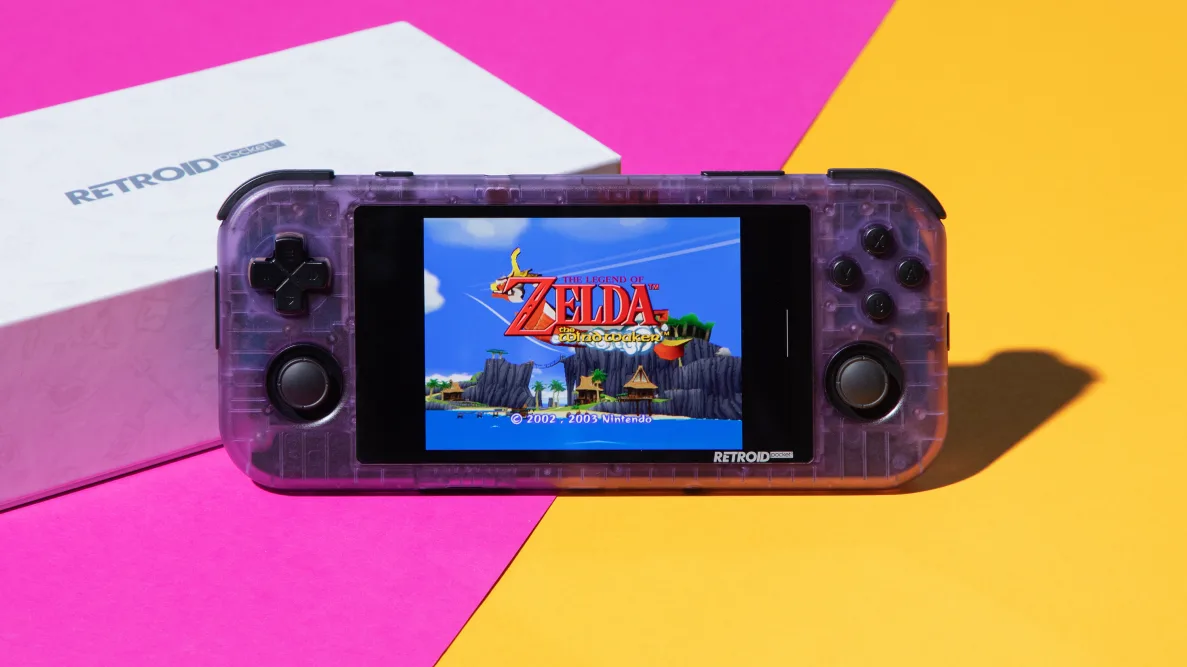
- Retroid Launcher: While Retroid offers a decent management tool, it lacks the deep hardware customization found in the Odin 3. RP6 users often rely on third-party apps for optimization, which rarely achieve the stability of native system software.
Ergonomics and Physical Reliability
- 2nd Gen Hall Effect Sensors: The analog sticks and triggers on the Odin 3 use magnetism to detect movement, eliminating physical contact and wear. This means the “stick drift” that haunts many gamers will never occur.
- Unibody Build Quality: The Odin 3 offers a solid, premium feel with no “creaking” when gripped firmly, a common issue in lower-tier devices.
Investment Value and Resale Potential
- In the tech world, devices that hold their value better represent a higher real-world worth.
- Low Depreciation: Thanks to its “future-proof” specifications, the Odin 3 will remain a high-demand item on the second-hand market even after two years. Conversely, the mid-range Retroid Pocket 6 will quickly become “obsolete” as Android OS and newer games demand more power, leading to a sharp decline in resale value.
Comprehensive Technical Comparison Summary
| Feature | AYN Odin 3 (The King) | Retroid Pocket 6 (The Contender) |
| Chipset | Snapdragon 8 Elite (3nm) | Mid-range Snapdragon |
| Display | 6.0″ AMOLED 120Hz (HDR10+) | 5.0″ IPS LCD 60Hz |
| Cooling | Dedicated VC Vapor Chamber + Fan | Standard Active Air Cooling |
| RAM | 12GB – 24GB LPDDR5x | 6GB – 8GB LPDDR4x |
| Battery | 8000mAh (Bypass Charging) | ~5000mAh |
| Software | AYN OS (Deep TDP Customization) | Stock Android + Retroid Launcher |
| Gaming Reach | AAA, Switch, PC Emulation | Light Android, PSP, Retro |
Conclusion: Why the AYN Odin 3 is the Only Optimal Choice
While the Retroid Pocket 6 is a fine device for beginners or those on a strict budget, it cannot bridge the technological chasm between itself and the AYN Odin 3.
Choosing the Odin 3 isn’t just about buying a more powerful machine; it’s about investing in an uninterrupted experience. You gain the best display, the most durable cooling system, and a configuration that will not shy away from any future titles. For serious gamers, the AYN Odin 3 is not just a choice—it is the gold standard of perfection in 2026.